How the Panama Canal transformed into an 80 km crossing that imposes a fee of up to $5 million.
Large cargo vessels have recently spent as much as $5 million to transit the Panama Canal, as the international maritime shipping sector grapples with trade interruptions stemming from the conflict between Iran and the US, as well as severe weather occurrences in the Western Hemisphere.
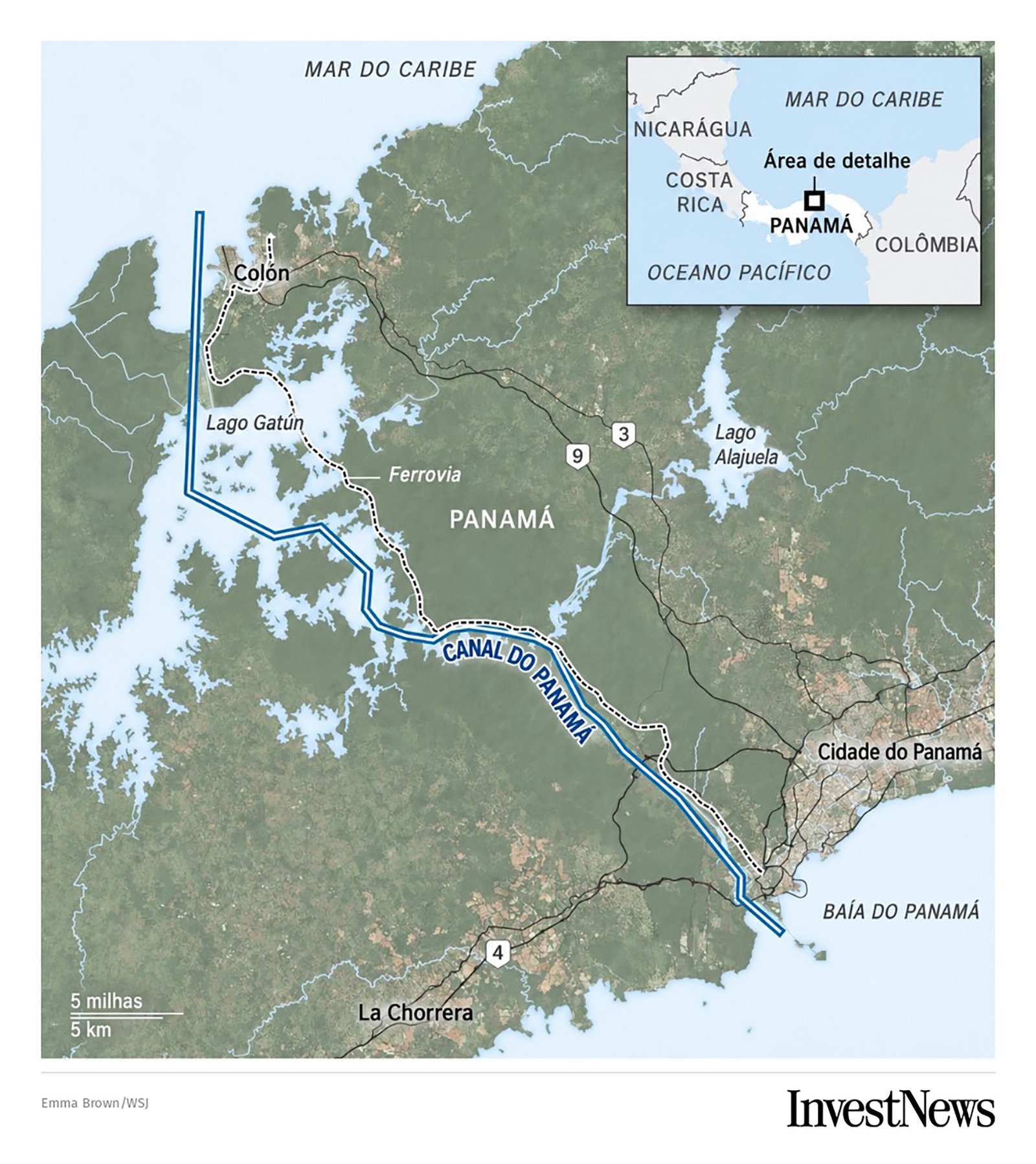
Recent attempts to utilize the 80-kilometer inter-oceanic passage, which handles nearly 6% of global trade, underscore the vital importance of the canal as shipping companies adapt their routes.
Some ships have paid as much as $4 million or $5 million to pass through the canal, according to Ilya Espino de Marotta, the new channel administrator. Recent prices have been described as unprecedented, with some vessels bidding over $1 million in auctions this summer, compared to average auction prices of around $10,000 from October 2025 to March 2026.
Also read
- The global supply of ships for transporting oil is diminishing, leading to an increase in freight costs.
- Container business that sank in the ocean results in a loss for the large shipping company Yang Ming in Brazilian courts.
Espino de Marotta stated in an interview that prices are determined by the market. He mentioned that it would not be unexpected to see bids of $2 million or $3 million in some cases.
Many sailors book spots to navigate the canal well ahead of time using a reservation system that handles 90% of the overall traffic through a complex network of locks and man-made freshwater lakes.
The rates at these locations typically vary based on the nature and size of the shipment. Elevated toll charges can lead to higher shipping fees, impacting prices of goods and products for consumers.
Some vacancies are set aside to be auctioned for short-term use, providing carriers with flexibility in urgent situations. The starting base price for auctions is $100,000, with an average of around $380,000 this season, as stated by Espino de Marotta.
Some ships in urgent need of passage on a particular date exhibit assertive behavior, which accounts for the recent price fluctuations, she stated.
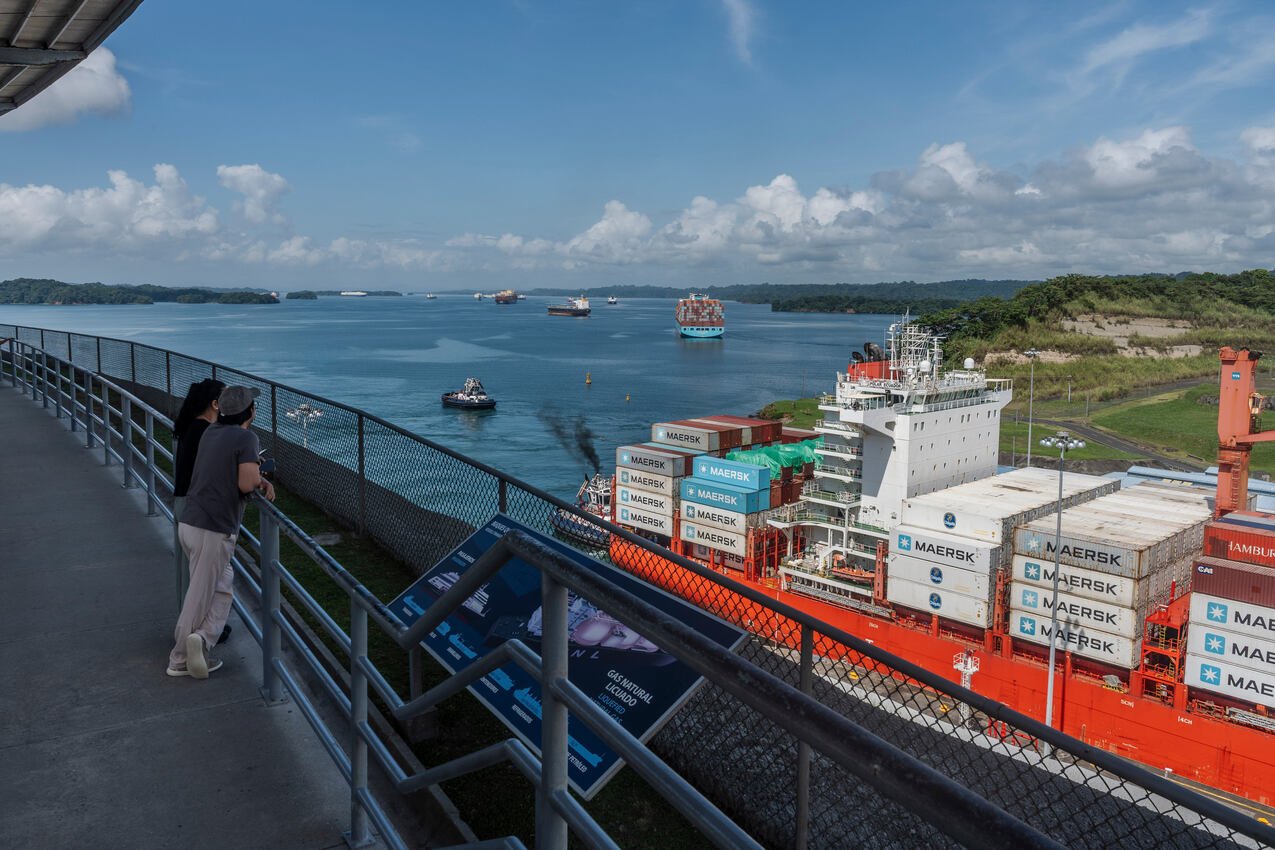
Petroleum workers move oil and LNG from the U.S. Gulf coast via the canal. Various ships also utilize the route to transport U.S. grains, Chilean wines, and Chinese consumer goods to major American markets like New York. The primary user of the canal is the U.S., with China being the second-largest user.
Global energy routes have shifted to accommodate the increase in Asian demand for liquefied natural gas from US Gulf ports amid escalating tensions between the US and Iran.
Peter Sand, chief analyst of maritime transport analysis platform Xeneta, based in Oslo, mentioned the escalating energy scarcity, particularly in Asia. He observed that bookings for gas vessel shipments are seldom made ahead of time.
LNG tankers decreased their utilization of the channel following Russia’s invasion of Ukraine in 2022 to cater to the rising demand in Europe.
The LNG is resuming its shipments to Asia from the Middle East after being disrupted by the war, according to Espino de Marotta.
The channel saw a rise in crossings for around three to four months earlier this year, with daily traffic increasing to between 38 and 41, up from around 34 to 36 before the conflict.
The channel authorities have decreased the number of daily crossings to 32 due to severe weather patterns linked to the El Niño cycle, leading to disruptions in global energy markets and coastal infrastructure. This adds more pressure on Panama Canal crossing prices.
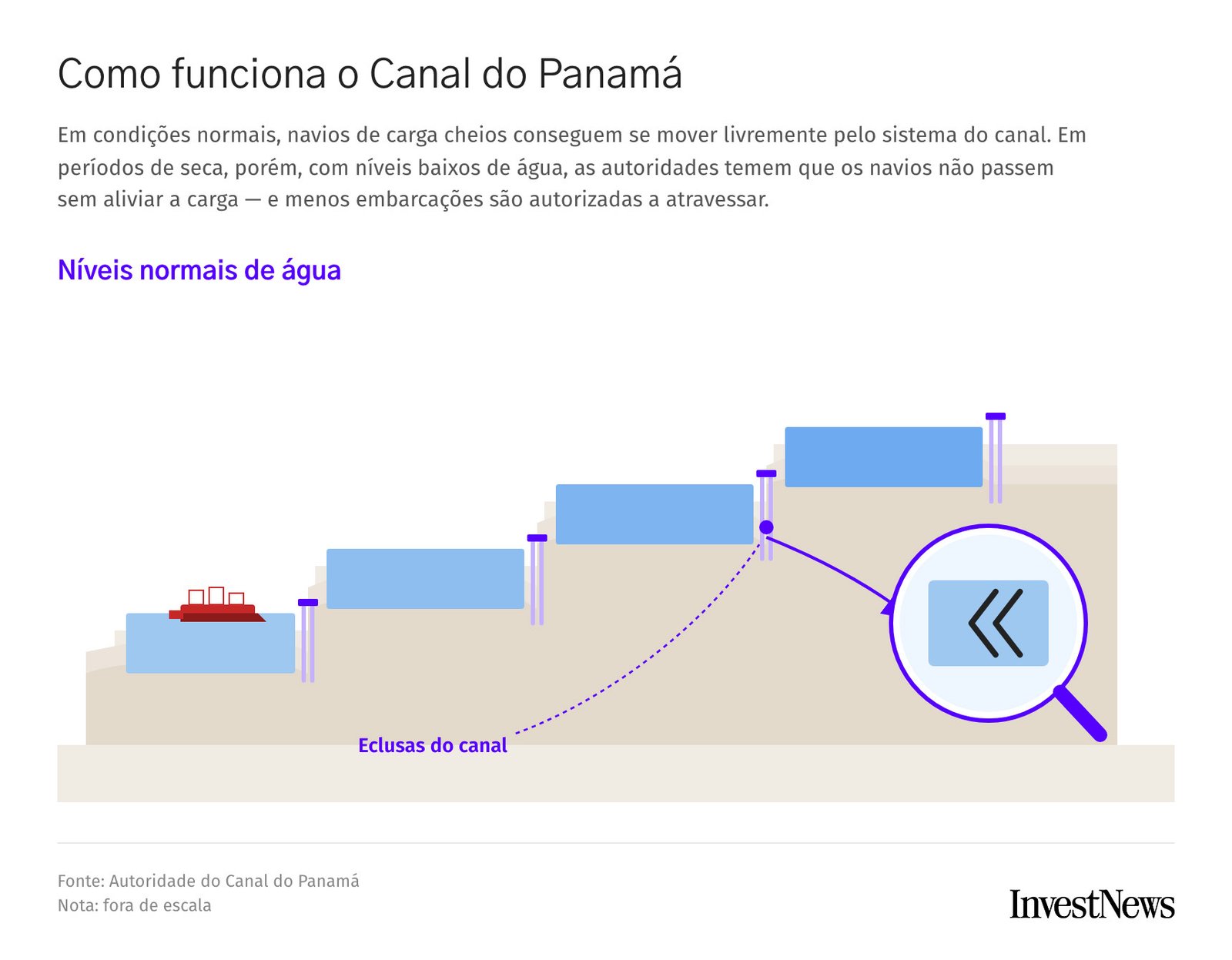
The Panama Canal relies on rainfall to run its intricate system of locks, which lift ships nearly 27 meters above sea level to navigate through the waterway before lowering them back down at the opposite side.
Ships may have to reduce their cargo load during severe droughts caused by El Niño to prevent grounding due to decreased water levels in Lake Gatún, the primary reservoir of the Panama Canal.
Authorities must decrease the amount of vessels passing through the canal in order to maintain sufficient water levels in the reservoirs and lakes to operate the locks, which are essential for supplying drinking water to the Panamanian population.
The freshwater surcharge can vary from 1% to 6% of the transit rate paid by ships passing through the canal, depending on the lake level, as stated by José Ramón Icaza, the president of the canal and the Panamanian minister in charge of Canal affairs.
The channel authorities offer a three-month prediction for marine transportation firms to determine the clearance required for ships to pass through and the associated costs, excluding auctions for ships needing to pass on particular dates.
Channel operations are crucial for Panama, accounting for 6% of the nation’s economy and providing significant revenue for public funds. Around $3 billion annually, equivalent to 20 cents of every revenue dollar collected by the government, is attributed to the profits generated by the channel.
Contact Santiago Pérez at [santiago.perez@wsj.com] and Costas Paris at [costas.paris@wsj.com].
Translated by InvestNews